California Motorcycle Accident Attorneys
California Motorcycle Accident Lawyer
Motorcyclists have little physical protection when another driver turns across their path, changes lanes without seeing them, follows too closely, or creates another dangerous situation. Burg & Brock investigates how the crash happened, who was responsible, what insurance is available, and the full effect of the rider’s injuries.
UberLawyer.com is operated by the Law Offices of Burg & Brock, a California personal injury practice based in Sherman Oaks.
Since 1996
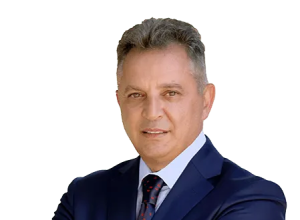
Cameron Yadidi Brock has been licensed to practice law in California since June 1996, State Bar No. 183112.
Injury only
The firm’s work is personal injury: motor vehicle collisions, catastrophic injury and wrongful death.
Free review
Talk through the crash with the firm before deciding anything. There is no charge for that conversation.
Prior results do not guarantee a similar outcome. Every case turns on its own facts.
The attorney behind this practice
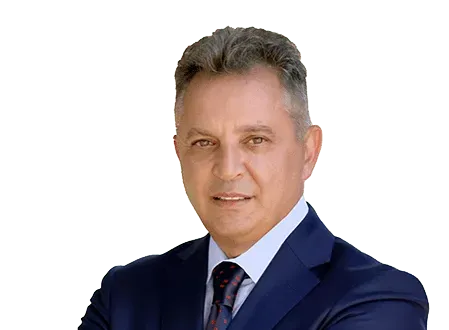
Cameron Yadidi Brock
Founding Attorney, Law Offices of Burg & Brock · California State Bar No. 183112 · Admitted June 11, 1996
Do I Have a Motorcycle Accident Injury Claim?
Potentially, if another driver’s negligence, an unsafe roadway condition, a defective product, a commercial operation or another legally responsible party contributed to the crash and caused your injuries.
The harder question in most motorcycle cases is not whether a claim exists. It is what the evidence shows about how the collision happened, because riders are routinely assigned fault before anyone has looked properly.
An adjuster who hears “motorcycle” often starts from an assumption about speed or risk-taking. That assumption is not evidence. Where the driver was, what they signalled, what they could see, where the impact landed on both vehicles and what any camera recorded are evidence, and they frequently tell a different story.
The other thing that separates these cases is the gap between how a crash looks and what it costs. Damage to a car may be modest while the rider’s injuries are life-changing, and an early valuation built on the photographs of the car can be badly wrong.
Why Motorcycle Accident Claims Are Different
A motorcycle claim is not a car accident claim with a smaller vehicle in it. The physics, the evidence and the assumptions a rider has to overcome are all different.
There is no structure between the rider and the road
A car occupant has crumple zones, a cabin and restraints. A rider has protective gear and whatever distance the crash gives them. The same impact speed produces a different injury.
Visibility is disputed in almost every case
“I never saw the motorcycle” is the most common thing a driver says after one of these collisions. Whether the rider could have been seen is an evidentiary question, not a defence in itself.
Intersections and left turns carry disproportionate risk
A vehicle crossing a rider’s path is the signature motorcycle collision, and it turns on right of way, timing and sight distance rather than on who hit whom.
Lane position is part of the legal analysis
Where a rider was within the lane, and whether they were moving between lanes, become part of how the collision gets reconstructed in a way that has no equivalent for a car.
The road surface matters far more
Gravel, oil, a seam in the pavement or a pothole that a car rolls over without noticing can put a motorcycle down. A defect that is trivial to one road user is not trivial to another.
The rider starts the claim carrying an assumption
Responsibility should be determined from evidence, not from a view about the kind of person who rides. Being on a motorcycle is not a finding of fault, and it should not be treated as one.
If your collision involved an ordinary passenger vehicle rather than a motorcycle, the California car accident page covers that ground instead.
Motorcycle Accident Cases We Handle
Each pattern points the investigation somewhere different. What follows is what each one usually turns on.
Left-Turn Collisions
A vehicle turning across a rider’s path. The most common serious motorcycle collision, and the one covered in detail below.
Unsafe Lane Changes
A driver moving into a lane a motorcycle already occupies. Mirror coverage, signal use and the rider’s position in the lane all matter.
Rear-End Crashes
Being struck from behind at a light or in slow traffic. Riders are often thrown clear, which separates the impact point from where they came to rest.
Intersection Accidents
Signal timing, stop-sign obligations and sight lines. Independent evidence tends to decide these, because both accounts are usually sincere and incompatible.
Distracted Driving
Phone records, vehicle systems and witness accounts can show where a driver’s attention was. Some of it is only obtainable through the legal process.
Speeding and Aggressive Driving
Following too closely, unsafe passing and speed differentials. Physical evidence at the scene often establishes what neither driver will concede.
Commercial Vehicle Collisions
A truck, delivery van or company vehicle brings an employer, commercial insurance and business records into the claim.
Dooring Incidents
A door opened into a rider’s path. The duty not to open a door into traffic sits with the person opening it.
Road-Hazard Crashes
Surface defects, debris and construction conditions. Where a public entity may be responsible, the deadlines are much shorter.
Component Failure
A tire, brake or steering failure. The part itself is the evidence, which is why the motorcycle should not be disposed of early.
What If a Driver Turned Left in Front of My Motorcycle?
This is the collision riders describe most often: a vehicle waiting to turn, a gap the driver believes is there, and a motorcycle arriving in it. It is also the collision where fault is least automatic, despite how it feels at the scene.
A rider proceeding through the roadway while a vehicle turns across the path. Where responsibility falls depends on the facts below, not on the shape of the collision.
What matters
- Signal use and timing of the turn
- Who had the right of way
- Sight distance and what obstructed it
- Speed of both vehicles
- Where the impact landed on each vehicle
- Video and independent witnesses
A driver turning left must yield to oncoming traffic that is close enough to be a hazard. That obligation is the starting point, not the conclusion. Whether it was breached depends on where the motorcycle actually was when the turn began, how fast it was travelling and what the driver could see, and each of those is established from evidence rather than assumed.
The impact location often settles more than the accounts do. Damage to the front of the turning vehicle tells a different story from damage to its rear quarter, and the point on the motorcycle that struck first tells you something about angle and timing that neither driver will have registered.
What this page will not tell you is that the left-turning driver is always at fault. That is a common line on motorcycle pages and it is not the law. Responsibility here is evidence-specific, and a claim built on the assumption rather than the evidence is one an insurer is glad to see coming.
Is Lane Splitting Legal in California?
Yes. The California Highway Patrol states plainly that lane splitting by motorcyclists is legal in California. What is worth understanding is why, because the reason shapes what happens when an insurer raises it against you.
Vehicle Code section 21658.1 is the provision everyone cites, and it does two things: it defines lane splitting as riding a two-wheeled motorcycle between rows of stopped or moving vehicles in the same lane, and it authorises the CHP to develop educational guidelines. It does not contain a permission. Lane splitting is lawful in California because nothing prohibits it, and that has been the position for far longer than the 2017 statute.
There is no legal speed limit for lane splitting, and no legal speed differential. You may have read that a rider may travel up to 10 mph faster than traffic, or that lane splitting is only permitted below 30 mph. Neither has any force in law. The 10 and 35 mph figures appeared in the 2016 bill as introduced and were struck out before it passed. The 10 and 30 mph figures came from CHP guidelines that were withdrawn in 2014. The CHP’s current guidance contains no numbers at all, deliberately.
What still applies are the ordinary rules: the basic speed law, which requires a speed that is reasonable and prudent for the conditions, and the requirement to ride as nearly as practical within a single lane. The CHP’s own guidance is qualitative rather than numerical. Danger increases as overall speed and the speed differential increase, splitting between the two left lanes is generally safer, and riding on the shoulder is illegal and is not lane splitting at all.
Can I Still Have a Claim If I Was Lane Splitting?
Potentially, yes. Lane splitting is lawful, so the fact of it does not establish that a rider caused a collision. What it does, reliably, is give the other side something to point at.
Legal in California
Lane splitting itself is permitted. It is not a traffic violation and it is not evidence of negligence on its own.
Still fact-specific
How both the rider and the other driver actually operated their vehicles still matters: surrounding traffic, relative speed, lane position, visibility and what the driver did.
Evidence decides it
Video, witnesses, the position of the vehicles, where the impact landed, the roadway and any speed evidence. Not the label attached to what the rider was doing.
A driver who changes lanes without signalling, or without checking, does not acquire a defence because the rider was between lanes. The fact that a rider was lane splitting does not by itself establish who caused the collision, and an insurer treating it as though it does is making an argument rather than stating a rule.
Worth knowing: there is no published California appellate decision we have located dealing with lane splitting and how fault is divided. Anyone who tells you the courts have settled how much fault a splitting rider carries is overstating what exists.
What If I Was Partly Responsible for the Motorcycle Crash?
Being partly responsible does not end a claim in California. Damages are instead reduced in proportion to the share of responsibility assigned to the injured person.
100%
Total damages
20%
Rider’s share of responsibility
80%
Adjusted damages
Illustrative example only
California follows what courts call pure comparative negligence, adopted by the state Supreme Court in 1975. There is no cut-off at which a claim disappears, which is a real difference from other states where being more than half at fault bars recovery entirely.
For riders this matters more than it does for drivers, because fault percentages in motorcycle cases are frequently assigned early and casually. Lane splitting does not carry an automatic percentage. Neither does riding at all. An adjuster’s opening position on your share of responsibility is a negotiating figure, not a finding, and it is usually made before anyone has looked at the video.
One California rule catches riders hard, and it has nothing to do with fault. Under Proposition 213, an uninsured owner generally cannot recover non-economic damages, meaning pain, suffering and physical impairment, even where someone else caused the crash. The California Supreme Court applied that bar to an uninsured motorcyclist whom the jury found was not at fault at all. Medical bills and lost earnings remain recoverable, and the bar does not apply to a claim against a manufacturer for a defective product. If your motorcycle was uninsured, raise it with a lawyer early rather than late.
Does California Require Motorcycle Helmets?
Yes. Vehicle Code section 27803 requires both the rider and any passenger to wear a safety helmet meeting the requirements set under section 27802, which incorporate the federal motor vehicle safety standard. There is no age exemption in California.
The statute also defines what wearing one means: on the head, straps fastened, and a size that fits securely without excessive movement. A helmet perched unfastened is not a worn helmet for these purposes.
What if I was not wearing a helmet?
The honest answer is that California law has not settled this, and any page that gives you a confident answer either way is telling you more than the law says.
What is clear is that helmet use has nothing to do with who caused the collision. A driver who turned across your path did that whether or not you were wearing a helmet.
Where it can become relevant is to particular injuries and to causation: whether a specific head injury would have occurred, or occurred to the same extent, with a compliant helmet. That is an argument a defendant may attempt, and it requires evidence rather than assertion.
We have not located any published California appellate decision deciding whether failure to wear a helmet may reduce recovery. Section 27803 itself says nothing about civil claims at all.
Practically: if you were wearing a helmet, keep it. Do not clean it, repair it or throw it away. It is physical evidence of what happened to your head, and it is also the answer to the argument above.
Who Can Be Responsible for a Motorcycle Accident?
Not every party below is involved in any given case. Each is one that may need to be investigated depending on the facts, and each may bring separate insurance with it.
The collision
Most motorcycle claims begin and end with the other driver. Where they do not, the reason is usually the road surface, a component, or a business behind the driver.
The Other Driver
The starting point in most cases, and often the whole of it.
Vehicle Owner
Where the driver and the registered owner differ, the owner’s policy may respond.
Employer or Business
If the driver was working at the time, the employer may be responsible for that conduct.
Commercial Vehicle Operator
Delivery, rideshare and trucking operations carry their own coverage and their own records.
Motorcycle or Component Manufacturer
Where a part failed rather than simply wore out.
Maintenance or Repair Provider
Where recent work on the machine bears on how it behaved.
Government Entity
Only where the roadway facts support it, and only under the specific statutory route described below. Much shorter deadlines apply.
Road Contractor
Where construction work, signage or a temporary condition contributed.
Another Responsible Party
Property owners and others, depending on their actual role in the conditions.
Where more than one party contributed, California allocates non-economic damages to each defendant in proportion to that defendant’s own share of fault, under Civil Code section 1431.2. Economic losses such as medical bills are treated differently. Identifying every responsible party is not about widening a claim for its own sake, but each party missed is coverage missed.
What If a Truck, Delivery Vehicle or Other Commercial Driver Hit Me?
A commercial vehicle changes the claim in three ways. The driver’s employer may be responsible for the driver’s conduct. The vehicle almost certainly generates records an ordinary car does not, such as dispatch, maintenance and driver hours in some operations. And commercial policies are structured differently from private auto policies.
Larger vehicles also have blind spots that a motorcycle can sit in entirely, which is a factual question about mirrors and lane position rather than a general observation about size.
Those records are held by the business whose conduct is in question, and several categories are kept only for defined periods.
What If an Uber or Lyft Driver Hit My Motorcycle?
Rideshare collisions raise a question ordinary ones do not: what the driver’s app and trip status was at the moment of impact. That single fact can change which insurance framework applies and how much coverage is available, and it is established from the company’s records rather than from the driver’s account at the scene.
As a motorcyclist struck by a rideshare vehicle you are a third party to that arrangement, which has its own page on this site.
What If a Dangerous Road Condition Caused My Motorcycle Crash?
A defect a car rolls over without the driver noticing can put a motorcycle down. That asymmetry is real, and it is why road-condition claims matter more to riders. It is also why these claims are among the hardest to bring.
Visibility and sight distance
Obstructed sight lines, inadequate warning of a hazard ahead, glare and blind approaches. What matters legally is whether the danger was apparent to a rider using due care.
Road-surface hazards
Potholes, uneven pavement, seams, surface transitions, rail crossings and gravel. For a two-wheeled vehicle these affect control directly rather than comfort.
Drainage and debris
Standing water, oil and diesel, uncovered drainage structures and debris left in a travel lane.
Traffic control and warnings
Missing, obscured or inadequate signs and signals, particularly where a hazard would not be anticipated by someone exercising due care.
Construction and design conditions
Work zones, temporary surfaces, lane shifts and features built or modified in the field.
The existence of a pothole does not make a public entity liable. California abolished ordinary negligence claims against public entities, and a roadway claim runs instead through a specific statute that requires the injured person to prove a dangerous condition existed at the time, that it caused the injury, that it created a reasonably foreseeable risk of that kind of harm, and either that an employee created it or that the entity knew or should have known about it with time to act.
Two further obstacles are worth knowing before anyone promises you a claim. A court, not a jury, can rule a defect trivial as a matter of law. And a public entity can raise design immunity, which defeats a claim where an approved design was followed.
Design immunity is not the end of the road, and one California case makes the point squarely for riders. A motorcyclist suffered paralysing injuries after striking an asphalt berm around a raised drain on the shoulder of a county road. The jury found a dangerous condition but gave the county design immunity. The Court of Appeal reversed, because the county produced no design at all. Maintenance crews had built the drains in the field as they saw the need for them. Where a feature was improvised rather than designed, there is nothing for the immunity to attach to. California’s Supreme Court has also confirmed that a failure to warn of a known danger can survive design immunity.
If a Public Agency May Be Involved, the Clock Is Much Shorter
6 months
A claim against a California public entity for personal injury generally has to be presented to the entity within six months of when the claim arose. Presenting that claim is a prerequisite to filing suit at all.
Miss it and there is a late-claim application route, itself limited to a year, followed by a court petition. None of that is as good as being on time.
Government claims can involve substantially earlier procedural requirements than an ordinary injury claim, and the two-year period being open is no help if the six-month step was missed. One more trap: the tolling that normally protects an injured minor does not apply to Government Claims Act deadlines in the usual way.
So if a road surface, a signal, a work zone or a public vehicle may have contributed to your crash, that is the first thing to raise, not the last.
What If the Motorcycle or a Component Failed?
A component that fails may have been defective in design or manufacture, may have been serviced badly, or may simply have reached the end of its life. Those are different findings with different responsible parties, and the part itself is usually what separates them.
- Tires
- Wheels
- Brakes
- Steering
- Suspension
- Chain and drivetrain
- Fuel system
- Other safety-critical components
Responsibility may involve a manufacturer, a distributor, a dealer, a repair provider or another party, and it is not assigned until the component has been examined by someone qualified to do it. This page names no manufacturer and alleges no defect, because doing that before the evidence exists is how a claim gets damaged rather than built.
One thing worth knowing if your motorcycle was uninsured: the rule that bars an uninsured owner from recovering non-economic damages does not apply to a products liability claim against a manufacturer. Where a component failure is genuinely in play, that distinction can matter a great deal.
What Insurance May Apply After a Motorcycle Accident?
More than one policy can be relevant, and which of them responds depends on the facts and on the policy wording rather than on what anyone expects. These are the sources worth identifying.
The at-fault driver’s liability coverage
The usual first source where another driver caused the collision, subject to that policy’s limits.
Your own uninsured or underinsured coverage
May apply where the responsible driver had no insurance or not enough. How it works in California surprises most riders, and is set out below.
A commercial policy
Where a business vehicle, a delivery operation or a rideshare vehicle was involved.
Another responsible party’s coverage
A vehicle owner, an employer, a contractor or a manufacturer may carry its own policy relevant to its own conduct.
Collision or property coverage
Damage to the motorcycle itself runs separately from the injury claim, and depends on what was purchased.
California’s minimum limits, and why they are not the measure of a claim
Since January 1, 2025 California’s minimum private auto liability limits are $30,000 for injury to or death of one person, $60,000 for more than one person, and $15,000 for property damage. Motorcycles are subject to the same requirements as cars. There is no separate, lower motorcycle minimum.
One detail worth knowing: those figures attach to policies issued or renewed on or after that date. A policy written earlier and not since renewed can still carry the previous, lower limits, so the coverage actually available may be less than the current minimum suggests.
Minimum liability limits do not determine the value of a serious motorcycle injury claim. A single air ambulance flight and a first surgery can exhaust a minimum policy. When the loss is larger than the coverage, the question becomes which other policy or which other responsible party can be reached, and that is work rather than paperwork.
What If the Driver Who Hit Me Has Little or No Insurance?
Uninsured and underinsured motorist coverage on your own policy may apply. Two features of California law make this area worth understanding before you need it, because both routinely catch riders out.
Underinsured coverage fills a gap. It does not stack on top.
In California, a vehicle is “underinsured” only if it is insured for less than your own uninsured motorist limit, not less than your damages. And where it applies, your insurer’s maximum is your limit reduced by what has already been paid.
The consequence is stark. If you carry the minimum uninsured motorist limits and you are hit by a driver carrying the minimum liability limits, your underinsured coverage pays nothing at all, however serious your injuries. If you carry $100,000 and the driver carried $30,000, the most your coverage adds is $70,000.
That is not a criticism of any insurer. It is how the statute is written, and it is the single strongest argument for a rider to look at their own declarations page today rather than after a crash.
Two more points that matter in practice: this coverage is included by default in California and can only be removed by a written agreement, so check whether one was ever signed. And settling with the at-fault driver without your own insurer’s written consent can affect your claim against them, which is a reason to take advice before signing anything.
What Compensation May Be Available After a Motorcycle Accident?
Medical expenses
Emergency care, surgery, imaging, rehabilitation and the treatment in between.
Future medical care
Treatment that will still be needed after the claim resolves, which in serious rider injuries is often the largest single element.
Lost income
Wages, shifts and self-employed earnings lost while recovering.
Reduced earning capacity
Where an injury changes what a person is able to earn going forward.
Pain and suffering
Non-economic harm, which California bars for an uninsured owner. See the note in the comparative fault section above.
Physical impairment
Lasting limits on movement, function or independence.
Motorcycle and property damage
The machine, the gear and the property carried on it.
Other supported losses
Out-of-pocket costs the crash created, where they can be documented.
There is no calculator on this page and no average settlement figure, because neither exists in any form worth relying on. What a claim is worth depends on what can be proved about the injury and the loss.
Serious Injuries After Motorcycle Collisions
The absence of a surrounding structure is why these collisions produce the injuries they do. Damage to the other vehicle can look minor while the rider’s injuries are permanent, and an early valuation built on photographs of a car is a poor guide to either.
- Traumatic brain injury
- Spinal cord injury
- Fractures
- Orthopedic injury
- Road rash and skin injury
- Nerve damage
- Internal injuries
- Amputation
- Paralysis
- Burns
- Fatal injuries
Where an injury will need care for years, the cost of that care has to be established rather than estimated, and that work belongs at the start of a claim rather than at the end of it.
What If a Family Member Was Killed in a Motorcycle Crash?
Where a collision is fatal, California law may give certain surviving family members the right to bring a claim. Who may bring it, and what may be recovered, depends on the relationship to the person who died and on the circumstances.
The two-year period under Code of Civil Procedure section 335.1 covers wrongful death as well as injury, and the much shorter deadline applies where a public entity may be responsible.
The investigation work in a fatal motorcycle case does not wait, and it also does not have to be the family’s job.
Evidence That Can Matter After a Motorcycle Crash
Not every category exists in every case. In a motorcycle claim the rider’s own equipment is evidence in a way that has no equivalent for a car occupant, and it is the category most often thrown away first.
Rider
- The helmet, unwashed and unrepaired
- Jacket, gloves, boots and armor
- Helmet or action camera footage
- Medical records and imaging
- Photographs of injuries as they change
Motorcycle
- Final rest position and orientation
- Damage and points of impact
- Tires and brakes
- Components and any failed part
- Service and inspection history
Road and scene
- Skid and scrape marks
- Debris field and fluid trails
- Surface condition and defects
- Signals, signs and sight lines
- Construction or temporary conditions
- Photographs and video
Other vehicle
- Damage and impact location
- Driver and insurance information
- Dashcam footage
- Vehicle event data where available
- Independent witnesses
The motorcycle itself may be important evidence. Where crash mechanics are disputed or a component may have failed, the machine can answer questions no account can. Before it is repaired, stripped, sold or scrapped, it is worth asking whether it should be examined first. That is not advice never to repair your motorcycle. It is a reason to raise the question early rather than discover it mattered later.
What Should I Do After a Motorcycle Crash?
01
Get appropriate medical care
Head and internal injuries are not always obvious at the scene, and adrenaline hides a great deal.
02
Contact law enforcement when appropriate
Where there is injury or death, Vehicle Code section 20008 requires a written report within 24 hours.
03
Document the scene if it is safe
Vehicle positions, the road surface, signals and sight lines. Only if you are able and out of traffic.
04
Identify drivers and witnesses
Names, plates, insurance details, and a phone number for anyone who saw it.
05
Preserve the motorcycle and your gear
Keep the helmet and clothing as they are. Do not clean, repair or discard them.
06
Save camera and digital footage
Helmet cameras and phones overwrite. Nearby business cameras overwrite faster.
07
Keep medical, wage and property records
Bills, treatment notes, time away from work and repair or valuation documents.
08
Notify the appropriate insurers
Your own policy usually requires prompt notice, separately from any claim against another driver.
09
Be careful with an early final settlement
A release signed before the medical picture is clear is difficult to undo.
10
Consider legal advice for a serious injury
Particularly if a road condition or a public agency may be involved, where the deadline is six months rather than two years.
What If the Driver Says They Did Not See Me?
It is the most common thing a driver says after a motorcycle collision, and it is not a defence. A driver’s failure to see a motorcycle is the beginning of the question, not the answer to it.
Whether the rider could and should have been seen is established from the geometry of the scene rather than from the driver’s recollection: sight lines and what obstructed them, the vehicle’s blind spots and whether the rider was ever in one, lighting and time of day, the rider’s lane position and speed, what the traffic around them was doing, and any video.
Equally, the statement does not prove negligence by itself. A page telling you that “I didn’t see you” is an admission of fault is overstating it. What it does is open a set of questions the evidence can answer, and those questions are frequently answered in the rider’s favour once someone actually asks them.
Should I Give the Other Driver’s Insurer a Recorded Statement?
Contact often comes quickly after a serious collision, and it may come from an adjuster or an investigator working for the other driver’s insurer. That is normal and it is not evidence of bad faith. It does mean the person calling is working for someone else.
Before giving a recorded statement, signing a broad medical authorization or accepting a final release, it is reasonable to understand four things.
Who is asking
The person, and the company they are calling from.
Whom they represent
An adjuster for another driver’s insurer represents that insurer.
What is being requested
A broad authorization can reach records with nothing to do with this crash.
What rights may be affected
A release ends a claim, including the parts of it not yet known.
Your own policy may separately require you to cooperate with your own insurer, and settling with the at-fault driver without your insurer’s written consent can affect an uninsured motorist claim. Those are different obligations and it is worth knowing which one you are being asked to meet.
How Burg & Brock Investigates a Motorcycle Accident
01
Reconstruct what happened
Your account first, then the report, the scene, the vehicles and any video.
02
Preserve rider, motorcycle and scene evidence
Including the helmet and gear, and the machine itself where it can be secured.
03
Investigate driver conduct
Right of way, signalling, attention and what the driver could see.
04
Evaluate road and product issues
Where the surface or a component may have contributed, including who controlled the roadway.
05
Identify every responsible party
Drivers, employers, owners, contractors and public entities where the facts support it.
06
Identify applicable insurance
Including your own coverage and policies you may not know exist.
07
Document injuries and financial loss
Records, treating physician input on future care, earnings and out-of-pocket costs.
08
Negotiate or litigate when necessary
Filing suit where a claim cannot be resolved on acceptable terms.
How Long Do I Have to File a Motorcycle Accident Lawsuit in California?
2 years*
Many California personal injury lawsuits generally have a two-year limitation period running from the date of injury, under Code of Civil Procedure section 335.1. The same period covers wrongful death.
*This is not a universal deadline. Government-related defendants, different causes of action and other circumstances can carry earlier or different requirements.
Public entities: six months
Where a city, county or state agency may be responsible, including for a roadway condition, a claim generally must be presented within six months, and presenting it is a prerequisite to suing at all.
Damage to the motorcycle: three years
Property damage runs on its own period under Code of Civil Procedure section 338. It is a different deadline from the injury one and should not be merged with it.
Minors are not always protected
The tolling that usually preserves an injured minor’s claim does not apply in the ordinary way to claims against public entities.
If a road surface, a signal, a work zone or a public vehicle may have played any part in your crash, treat the six-month clock as the operative one until someone establishes otherwise.
How Much Is a Motorcycle Accident Case Worth?
There is no reliable online calculator for this, and no average worth quoting. What exists is a set of factors a claim is evaluated against.
- Injury severity
- Future treatment
- Permanent effects
- Lost income
- Reduced earning capacity
- Fault
- Comparative fault
- Available insurance
- Responsible parties
- Road or product issues
- Strength of the evidence
- Motorcycle damage
- Whether litigation is needed
Insurance limits are not the same thing as case value. A policy limit tells you what may be available to pay a claim. It tells you nothing about what a particular claim is worth, which depends on the losses that can actually be proved.
The Attorney Behind This Practice
Cameron Yadidi Brock
Founding Attorney, Law Offices of Burg & Brock
California State Bar No. 183112
Admitted to the State Bar of California, June 11, 1996
Cameron Yadidi Brock founded the practice that operates UberLawyer.com and has spent his career representing injured people. The firm’s work covers personal injury, motor vehicle collisions, catastrophic injury and wrongful death, along with product defect and dangerous roadway matters, the two areas that most often decide a motorcycle case when the other driver is not the whole story.
Why Burg & Brock
Personal injury focus
The firm represents injured people. It is not a general practice that takes injury cases when they arrive.
In California since 1996
Cameron Yadidi Brock has been licensed in California since June 1996, with no disciplinary record on the State Bar’s public register.
Serious injury work
Cases where the medical picture and the cost of future care are the largest part of the claim, which is most serious motorcycle cases.
Roadway and product investigation
Dangerous condition and product defect claims run on different rules and much shorter clocks than an ordinary collision claim.
Contingency representation
Ask how fees and case costs are handled before you decide anything. Both should be explained to you in writing.
Litigation capability
Claims that cannot be resolved on acceptable terms can be filed and tried rather than accepted.
Frequently Asked Questions About California Motorcycle Accidents
Is lane splitting legal in California?
Yes. The California Highway Patrol states that lane splitting by motorcyclists is legal in California. Vehicle Code section 21658.1 defines the practice and authorises the CHP to publish educational guidance; it is lawful because nothing prohibits it. Riding on the shoulder is a different thing and is illegal.
Is there a legal speed limit for lane splitting?
No. Figures such as 10 mph faster than traffic, or a 30 mph ceiling, appear widely but have no force in law. They came from a 2016 bill draft that was amended before passage and from CHP guidelines withdrawn in 2014. The basic speed law still applies: a speed that is reasonable and prudent for the conditions.
Can I make a claim if I was lane splitting?
Potentially. Lane splitting is lawful, so the fact of it does not establish who caused the collision. What matters is how both the rider and the other driver actually operated: relative speed, lane position, visibility, signalling and what the driver did. Expect an insurer to raise it; that is an argument, not a rule.
What if a car turned left in front of my motorcycle?
A driver turning left must yield to oncoming traffic close enough to be a hazard. That is the starting point, not the conclusion. The statute also provides that once a driver has yielded and signalled, oncoming traffic must yield to them. Fault turns on timing, sight distance, speed and where the impact landed.
What if the driver says they did not see me?
It is the most common thing drivers say, and it neither excuses them nor proves their negligence. It opens a set of questions the evidence can answer: sight lines, blind spots, lighting, your lane position and speed, and any video. Those questions frequently resolve in the rider’s favour once someone asks them.
What if I was partly responsible?
California follows pure comparative negligence, so a claim is not barred because the rider shares responsibility. Damages are reduced in proportion to that share, with no cut-off point. An adjuster’s early figure for your share is a negotiating position, not a finding.
Does California require motorcycle helmets?
Yes. Vehicle Code section 27803 requires the rider and any passenger to wear a helmet meeting the standard set under section 27802, at every age. The statute also requires it to be fastened and to fit securely, so an unfastened helmet does not satisfy it.
Can I still have a claim if I was not wearing a helmet?
Helmet use has nothing to do with who caused the collision, so a claim is not defeated by it. Whether non-use can reduce recovery for particular injuries is genuinely unsettled in California. No published appellate decision decides it either way, and the helmet statute says nothing about civil claims. Anyone giving you a confident answer is going beyond the law.
What if a pothole or unsafe road caused my crash?
A defect that a car passes over can put a motorcycle down, and that can support a claim. It is not automatic. A claim against a public entity requires proof of a dangerous condition, causation, foreseeable risk of that kind of harm, and either that an employee created it or that the entity knew or should have known in time to act.
Can a city or public agency be responsible for a dangerous road?
It can, under a specific statute rather than ordinary negligence. Two defences come up often: a court can rule a defect trivial as a matter of law, and an entity can claim design immunity where an approved design was followed. Design immunity has failed where a feature was improvised in the field with no design behind it.
How long do I have if a public agency is involved?
Generally six months to present a claim to the entity, not two years, and presenting that claim is a prerequisite to filing suit. There are late-claim routes but none is as good as being on time. The usual tolling for injured minors does not apply here in the ordinary way.
What if the motorcycle or a component failed?
Responsibility can involve a manufacturer, distributor, dealer or repair provider, depending on what the evidence shows about design, manufacture or servicing. The failed part is the evidence, so preserving the machine matters. A useful step for any rider: check your VIN against the recall database at nhtsa.gov/recalls.
What if the driver who hit me was uninsured?
Uninsured motorist coverage on your own policy may apply, along with any other responsible party’s coverage. In California this coverage is included by default and can only be removed by written agreement, so it is worth checking whether one was ever signed.
Does my motorcycle insurance include uninsured motorist coverage?
It should unless it was deleted in writing. One trap catches riders specifically: California law permits a policy to exclude this coverage where you are injured on a vehicle you own that is not insured under that policy. So the coverage on your car may not reach you on your own uninsured motorcycle. It turns on ownership, not on the vehicle being a motorcycle.
How does underinsured motorist coverage work in California?
It fills a gap rather than stacking on top. A vehicle counts as underinsured only if it is insured for less than your own uninsured motorist limit, and your insurer’s maximum is your limit less what has already been paid. Carry minimum limits and get hit by a minimum-limits driver, and this coverage pays nothing.
What if a truck or an Uber or Lyft driver hit me?
Both bring another business into the claim. A commercial vehicle may make an employer responsible and generates records an ordinary car does not. A rideshare vehicle raises the question of the driver’s app status at the moment of impact, which affects which coverage applies. Each has its own page on this site.
Can I recover compensation for damage to my motorcycle?
Yes, and it runs separately from the injury claim, with its own three-year deadline rather than two. Settling the property claim should not settle the injury claim, so read what you are signing where a release covers more than the machine.
How much is a motorcycle accident case worth?
It depends on injury severity, future treatment, permanent effects, lost earnings and earning capacity, fault, available insurance and the strength of the evidence. Policy limits tell you what may be available to pay a claim; they say nothing about what a claim is worth.
How much does a motorcycle accident lawyer cost?
The initial case review is free and puts you under no obligation. Ask any firm you speak with to explain in writing how its fee is calculated and how case costs are handled if there is no recovery, because fees and costs are two separate things.
Talk to a California Motorcycle Accident Lawyer
If another driver, a dangerous roadway condition, a defective component or another responsible party contributed to your crash, Burg & Brock can investigate the evidence, identify the parties and insurance that may be relevant, and evaluate the losses caused by your injuries.
Free consultation. Ask us how fees and case costs are handled before you decide anything.
Attorney Advertising. This page is provided by the Law Offices of Burg & Brock, which operates UberLawyer.com, with an office of record in Sherman Oaks, California. Cameron Yadidi Brock, California State Bar No. 183112, is responsible for its content.
The information here is general, describes California law as of September 2026, and is not legal advice for any particular situation. Whether any rule described on this page applies to a specific crash depends on its facts. Reading this page or contacting the firm through it does not create an attorney-client relationship. Prior results do not guarantee a similar outcome.
Your Free Consultation Is One Call Away
Don't wait. California's statute of limitations means time is critical. Contact us now for a free, no-obligation case review. Tell us what happened and we'll explain your options.
Free Case Evaluation
Sending this form does not create an attorney-client relationship. We aim to respond promptly. See our Privacy Policy.
Thank you
Your request has been received. A member of our team will contact you shortly.